

Advanced Stem Cell Therapy Offers Healing From Within
Every day, Rejuve Anti Aging receives inquiries from individuals worldwide asking whether stem cell therapy can help with COPD. The answer is encouraging: regenerative therapy can significantly improve lung function and quality of life.
Chronic obstructive pulmonary disease (COPD) is a serious global health issue, affecting over 200 million people and causing more than three million deaths annually. According to the World Health Organization (WHO), COPD is the third leading cause of death worldwide, and mortality rates are expected to more than double over the next 20 years. Characterized by chronic inflammation of the airways and progressive lung tissue damage, COPD is often triggered by cigarette smoking and currently has no proven treatments that fully restore lung function or extend survival—aside from supplemental oxygen and smoking cessation.
This is where stem cell therapy offers hope. By supporting lung tissue repair and reducing inflammation, regenerative treatments can help patients breathe easier, improve energy, and regain the ability to engage in daily activities. Many patients notice fewer flare-ups, less shortness of breath, and a more active, fulfilling lifestyle.
Hope is here—and through stem cell therapy, it’s making a real difference for those living with COPD.

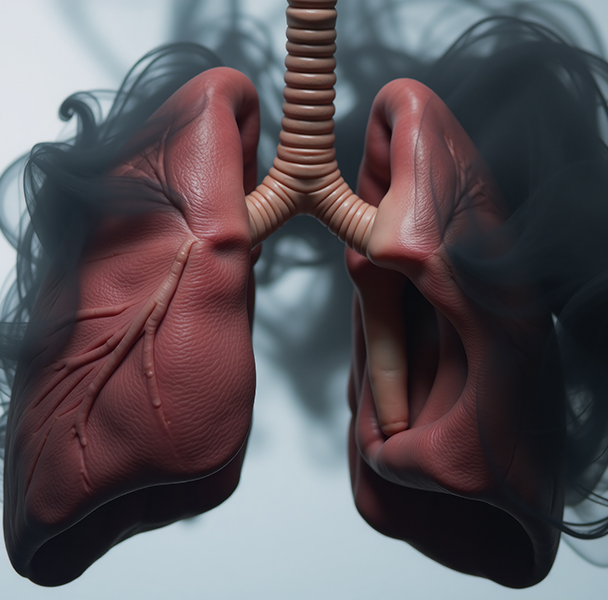
Where Science Meets Hope. Call (949) 787-9800 For Help Today!
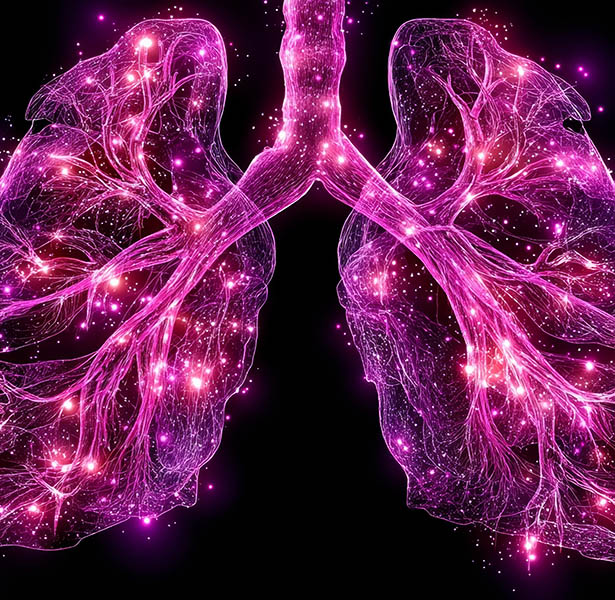
A Regenerative Approach That Works
For those living with COPD, hope is on the horizon. Stem cell therapy is showing promise as a safe, non-invasive treatment that may help repair lung tissue, reduce inflammation, and improve overall quality of life.
Clinical studies and real-world cases highlight encouraging results. Patients receiving umbilical cord or adipose-derived stem cells have experienced fewer flare-ups, reduced inflammation, improved exercise tolerance, and enhanced day-to-day comfort—without serious side effects. Some have even seen measurable improvements in lung function and the ability to breathe easier over time.
While stem cell therapy is not a cure, it offers a new path toward better lung health and greater independence for patients who previously had limited options. With this innovative approach, many are finding renewed energy, improved breathing, and hope for a more active, fulfilling life.
How Stem Cell Therapy May Support the Lungs for patients with COPD
Angiogenesis
Initiates the formation of new blood vessels, improving blood supply and oxygen delivery within the lungs.
Preventing Scar Tissue Formation
Lung disease patients often develop scarring within the lung tissue. Stem cells and exosomes work to reduce and prevent this scar formation, providing powerful anti-fibrotic benefits.
Calming Inflammation & Balancing the Immune System
By regulating immune responses and reducing harmful inflammation, stem cells may help slow or interrupt the processes that drive COPD progression
Cellular Signaling
Through natural “cell-to-cell” communication, regenerative biologics signal the body’s own cells to boost growth factor production, enhance protein synthesis, and support tissue repair and regeneration.
What Is Stem Cell Therapy
Stem cell therapy is an innovative medical treatment that harnesses the regenerative potential of stem cells to repair, replace, or regenerate damaged tissues and organs. Stem cells are unique because they can differentiate into various cell types and multiply indefinitely, making them essential in regenerative medicine and tissue engineering.
Promotes Natural Healing:
By stimulating tissue repair and regeneration, stem cell therapy addresses the root cause of many conditions, supporting the body’s natural healing processes.
Minimally Invasive Procedure:
Typically administered through injections or infusions, stem cell therapy involves minimally invasive techniques, reducing risks and ensuring a faster recovery.
Personalized Treatment Plans:
Each therapy can be tailored to meet individual patient needs, considering their medical history and treatment goals for more targeted outcomes.
Potential for Long-Lasting Results:
While outcomes vary, many patients experience significant and lasting improvements in symptoms, function, and overall quality of life.
Treatment of COPD with Exosomes
If emerging technologies like mesenchymal stem cell therapy or exosome therapy can demonstrate the ability to slow, halt, or even reverse the progression of COPD, they could rightfully become first-line treatment options. Any regenerative therapy capable of safely supporting lung repair and improving function deserves meaningful consideration.
At present, most COPD treatments primarily manage symptoms and do not address the underlying decline in lung structure or function. Growing research, however, indicates that stem cell–based therapies may offer the potential to promote true regeneration and modify the course of the disease.
- Reduced inflammation in the lungs
- Improvement in breathing issues
- Better stamina and less tiredness
- Enhancement in the body’s capacity of circulating oxygen
- Exosomes therapy has not just shown positive effects on COPD but also on other pulmonary diseases including post-covid complications, acute respiratory lung distress (ARDS) and interstitial lung disease (ILD).
See What Patients Have Said
There is currently no known cure for chronic obstructive pulmonary disease (COPD). However, research suggests that stem cell therapy may help improve quality of life for individuals living with this condition.
In one study sponsored by the Lung Institute, 82% of COPD patients who received intravenous stem cell treatments reported noticeable improvements, including enhanced lung capacity and increased ability to walk.

| Arm/Group Title | Cell Therapy Treated |
|---|---|
| Arm/Group Description | All patients/participants enrolled will undergo cell therapy |
| Overall Number of Participants Analyzed | 120 |
Count of Participants Claiming Improvement | 102 85.0% |
Stem Cell Technology
Harness the power of cutting-edge regenerative science. Stem cells have the unique ability to transform into any type of cell your body needs, promoting natural healing and cellular repair at the site of application. As the foundation of regenerative medicine, these powerful cells adapt to your body’s needs, accelerating recovery and restoring function.
Ethical Sourcing and Screening
Specimen Collection
Advanced Processing Standards
Why Choose Us?
Patients trust Rejuve Anti Aging for results:
Best-in-Class Stem Cells & Exosomes We use the highest-quality, ethically sourced stem cells and exosomes on the market. Our Stem Cell products ensure maximum potency, purity, and safety for faster, more effective healing.
Cost-Effective Without Compromise: Our prices are competitive with overseas providers. We offer competitive pricing right here in the U.S., so you can receive the highest quality care, close to home, without sacrificing safety or results.
Proven Results: Our patients share stories of reduced pain, improved mobility, and a return to activities they thought they’d lost forever. We’re here to help you get back to living your life—safely, naturally, and with hope.
Call us today to book your free consultation.

Take The First Step & Schedule A Free Consultation
References
1. Weiss et al. — randomized, placebo-controlled trial (n = 62)
A multicenter, randomized, double-blind, placebo-controlled study randomized 62 patients with moderate-to-severe COPD to receive four monthly IV infusions of allogeneic mesenchymal stromal cells (remestemcel-L) or placebo and followed them for two years. The infusions were well tolerated with no serious treatment-related adverse events. The MSC group showed a statistically significant reduction in circulating C-reactive protein (CRP) shortly after treatment that persisted through follow-up; however, there were no significant improvements in spirometry or quality-of-life scores in the overall cohort. https://pubmed.ncbi.nlm.nih.gov/23172272
2. Stessuk et al. / Ribeiro-Paes group — unicentric / phase I cellular therapy studies (autologous BMMC / MSCs)
A series of early, single-center phase I studies from Brazil reported that intravenous infusion of autologous bone-marrow mononuclear cells (and related autologous cell protocols) was feasible and safe in advanced emphysema/COPD. The authors reported improvements in spirometric parameters, slowed radiologic progression, better clinical status and quality of life, and increases in endothelial marker CD31 consistent with a reparative/angiogenic response. These were small, early-phase studies intended to assess safety and signal-finding. https://pmc.ncbi.nlm.nih.gov/articles/PMC3034284
3. Le Thi Bich et al. (2020) — pilot study, Vietnam (UC-MSC, n = 20)
A pilot study of allogeneic umbilical-cord MSCs (single IV dose of ~1.5 × 10^6 cells/kg) in 20 COPD patients reported the treatment was safe and associated with reduced CRP, fewer exacerbations, and a modest increase in 6-minute walk distance at 6 months — benefits that were most notable in higher-risk (GOLD D) patients. The authors concluded UC-MSC administration appears safe in moderate-to-severe COPD and may improve quality of life, warranting larger trials. https://pmc.ncbi.nlm.nih.gov/articles/PMC7020576
4. Nguyen et al. (2021) — case report (autologous adipose-derived stem cells)
A 57-year-old man with long-standing COPD received two IV infusions of autologous adipose-derived stem/stromal cells (baseline and 6 months). Over 12 months he experienced improved dyspnea and quality of life, incremental increases in 6MWT distance, and no COPD exacerbations; CRP remained largely unchanged and spirometry improved only slightly. This is a single-patient case report (hypothesis-generating) rather than controlled evidence. https://pmc.ncbi.nlm.nih.gov/articles/PMC8080283
5. Several ongoing or recently registered trials are evaluating umbilical-cord MSCs and other cell products in COPD https://www.clinicaltrials.gov/study/NCT04433104